
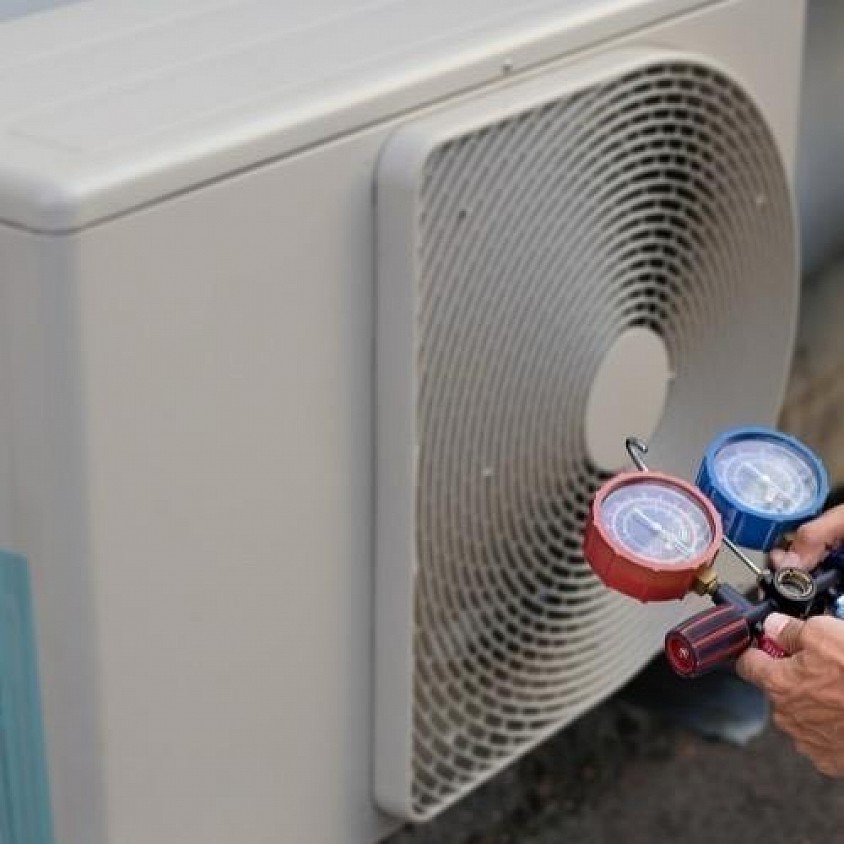
Fast Decisions That Protect Comfort: When to call for emergency ac repair richardson
When summer heat builds in North Texas, a cooling outage can disrupt routines, sleep, and well-being. Homeowners in Richardson benefit from understanding how HVAC systems behave under stress and what actions minimize downtime. The following guide explains practical steps and insights that help keep indoor comfort stable while reducing the risk of larger breakdowns, including when to act quickly on signs that call for **emergency ac repair richardson**.
1) Know the early warning signs
Strange noises, persistent short cycling, warm air from vents, or weak airflow often precede a complete failure. A faint electrical smell, ice on the indoor coil, or outdoor unit fans that stop unexpectedly are also red flags. Addressing these clues quickly can prevent a small issue from turning into a system-wide shutdown, and it can help you decide whether the situation demands **emergency ac repair richardson** or a scheduled visit during regular hours.
2) Prioritize airflow and cleanliness
Restricted airflow is a common trigger for overheating and inefficiency. Replace or clean filters regularly and make sure supply and return vents are open and unobstructed by furniture, rugs, or drapes. Keep the outdoor condenser clear of leaves, tall grass, and debris to preserve heat exchange. Good airflow supports stable temperatures and reduces unnecessary strain that can lead to after-hours calls.
3) Verify thermostat and electrical basics
Before assuming a major failure, confirm that the thermostat is set to cool, batteries are functional, and the temperature setting hasn’t been changed accidentally. Check the home’s electrical panel for a tripped breaker and ensure the outdoor disconnect is secure. These quick checks can restore operation in minutes and may avoid an urgent service call.
4) Manage moisture to protect performance
High indoor humidity can make rooms feel warmer than the thermostat suggests and force longer run times. Close windows on muggy days, use bathroom and kitchen exhaust fans to evacuate moisture, and seal obvious air leaks around doors and windows. Better moisture control supports comfort, reduces load on the system, and helps prevent icing that could push you toward **emergency ac repair richardson**.
5) Stabilize the home during a cooling interruption
If cooling is interrupted, close blinds on sunlit windows, run ceiling fans counterclockwise to circulate air, and limit heat-producing activities like oven use. Hydrate and move to shaded rooms. These steps slow indoor temperature rise and protect vulnerable family members while you arrange service.
6) Document symptoms for clearer diagnostics
Write down when the issue started, what changed recently in the home, and any error codes on the thermostat. Note sounds, smells, or visible icing. Providing clear observations speeds troubleshooting, reduces guesswork, and can shorten the time to resolution, especially during **emergency ac repair richardson** situations when accuracy matters most.
7) Respect safety first
If you notice burning odors, smoking equipment, sparking, or water pooling near electrical components, cut power to the system at the breaker and avoid further attempts to operate it. Prioritizing safety protects people and property and signals that the situation requires immediate attention.
8) Balance energy use with system health
Extreme thermostat setbacks can cause long recovery runs that stress equipment. Aim for moderate setpoints and use programmable schedules to smooth demand. Stable operation reduces wear and helps prevent those surprise breakdowns that demand **emergency ac repair richardson** during peak heat.
9) Plan for peak-season readiness
Before the hottest weeks, confirm that the condensate drain is clear, supply registers deliver consistent airflow, and the outdoor unit has proper clearance. Walk the home for drafts, gaps, and attic insulation issues that make cooling harder. A home prepared for heat places less strain on components and increases reliability.
10) Decide when to call immediately
Call right away if indoor temperatures rise rapidly, elderly or medically sensitive occupants are present, or you observe electrical hazards, persistent tripping breakers, severe icing, or total loss of airflow. Swift action can prevent secondary damage and restore stability. In Richardson’s climate, timely response to critical signs is often the key difference between a minor fix and extended discomfort—precisely the moment to seek **emergency ac repair richardson**.
A thoughtful approach to cooling reliability blends early detection, airflow discipline, safe troubleshooting, and timely decisions. By recognizing pivotal warning signs and stabilizing the home environment, homeowners reduce risks, protect comfort, and shorten recovery time when urgent help is needed.
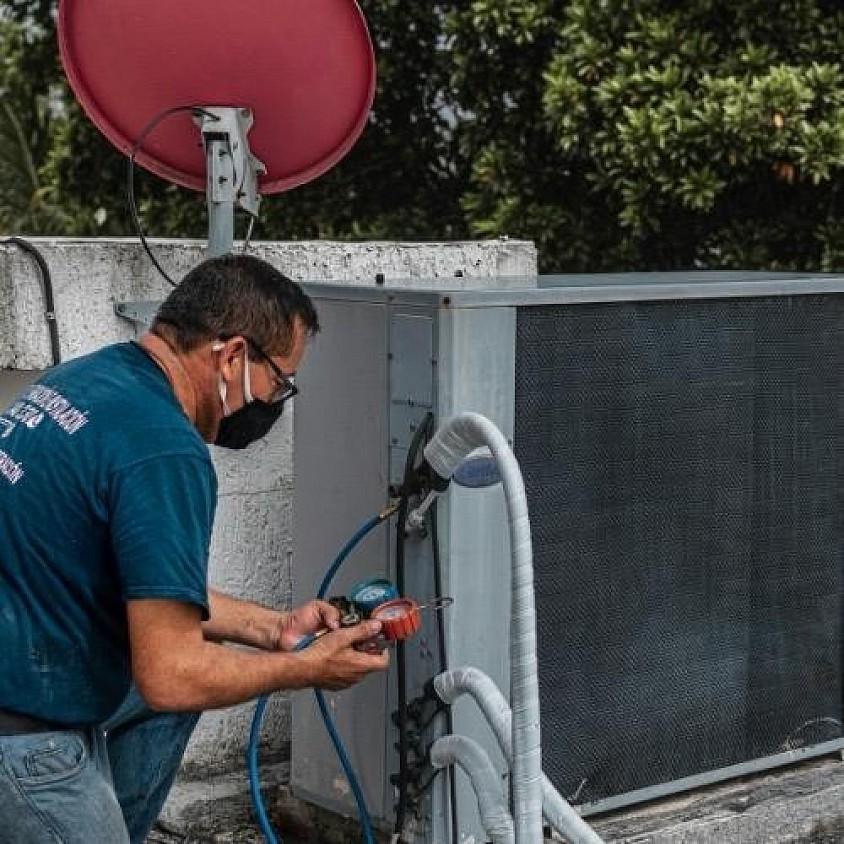
Smart strategies for AC repair and maintenance in Richardson
Summer in North Texas can push cooling systems hard, and that makes clarity and preparation essential for homeowners considering professional help. Understanding how air conditioning systems behave, what common symptoms mean, and how to plan for a smooth appointment can reduce stress and keep comfort consistent all season. The following points offer practical, industry-focused guidance for navigating decisions around inspections, diagnostics, and timely fixes, especially when scheduling **ac repair richardson** support during the busiest months.
1. Know the early warning signs
Subtle changes often signal a problem before a breakdown. Listen for new rattles or grinding, notice if air feels warmer than the thermostat setting, and watch for short cycling where the system turns on and off rapidly. A steady rise in indoor humidity can also hint at performance concerns. Acting on these signs quickly helps prevent minor issues from becoming major failures.
2. Prioritize safe system checks
Basic homeowner checks can be done safely with the power off. Inspect the outdoor unit for leaves and debris blocking airflow. Confirm that supply and return vents inside the home are open and unobstructed. Review the thermostat settings to ensure cooling mode and appropriate temperature selection. If anything seems abnormal beyond these basics, pause and wait for a qualified technician rather than attempting complex troubleshooting.
3. Keep airflow in focus
Airflow is the foundation of efficient cooling. Replace or clean filters on the recommended schedule for your equipment type. A clogged filter restricts circulation, strains components, and can cause icing on coils. Clear at least a couple of feet around the outdoor unit so heat can disperse freely. These small habits support stronger performance and can reduce the likelihood of mid-season interruptions.
4. Document symptoms before the visit
When scheduling a checkup, write down when the problem started, how often it occurs, and any patterns—such as during the hottest part of the day or after long run times. Note unusual odors, breaker trips, or water near the indoor unit. This information guides a faster, more accurate diagnostic process and helps the technician replicate conditions that trigger the issue.
5. Understand typical diagnostic steps
A thorough evaluation generally begins with thermostat verification, followed by reviewing electrical connections, checking refrigerant pressures, and examining coils for cleanliness and condition. Technicians may test capacitors, contactors, and blower components while assessing airflow and temperature differentials. A methodical process reduces guesswork and ensures any recommendations align with what the equipment actually needs.
6. Plan around local weather realities
Richardson heat waves can arrive suddenly, and that affects system load. When high temperatures persist, run times increase and small inefficiencies become noticeable. Shading the outdoor unit without obstructing airflow, closing blinds on sun-facing windows during peak hours, and setting a reasonable indoor temperature target can limit strain. Schedule routine checkups before seasonal demand surges when possible.
7. Ask clear maintenance questions
Clarity helps you make informed decisions. Ask what was inspected, which parts showed wear, how urgent each recommendation is, and whether a suggested fix addresses the root cause. Inquire about maintenance routines that fit your specific equipment. Understanding why a part needs attention builds confidence in next steps.
8. Consider indoor comfort holistically
Temperature is only part of comfort. Humidity balance, even airflow across rooms, and quiet operation all matter. If hot spots or persistent moisture are recurring concerns, mention them during the evaluation so adjustments can be made to improve overall performance rather than addressing just a single symptom.
9. Prepare your space for a smooth appointment
Ensure clear access to the thermostat, indoor air handler, and outdoor condenser. Secure pets, move furniture if it blocks vents or equipment doors, and share any previous paperwork from past visits. This simple preparation helps the visit proceed efficiently and reduces time spent on non-technical obstacles.
10. Stay proactive after the fix
Once cooling is restored, keep momentum with consistent filter care, seasonal visual checks of the outdoor unit, and attentive thermostat practices. If you noticed behavioral patterns in your home—like doors that tend to shut and alter airflow—address them to maintain balance. Proactive habits support longer equipment life and steadier comfort.
When addressed early and handled methodically, cooling concerns can be resolved with minimal disruption. A thoughtful approach—recognizing early signs, preparing for the visit, and maintaining steady airflow—sets the stage for dependable performance throughout the Richardson summer, especially when coordinating timely **ac repair richardson** assistance during peak conditions.